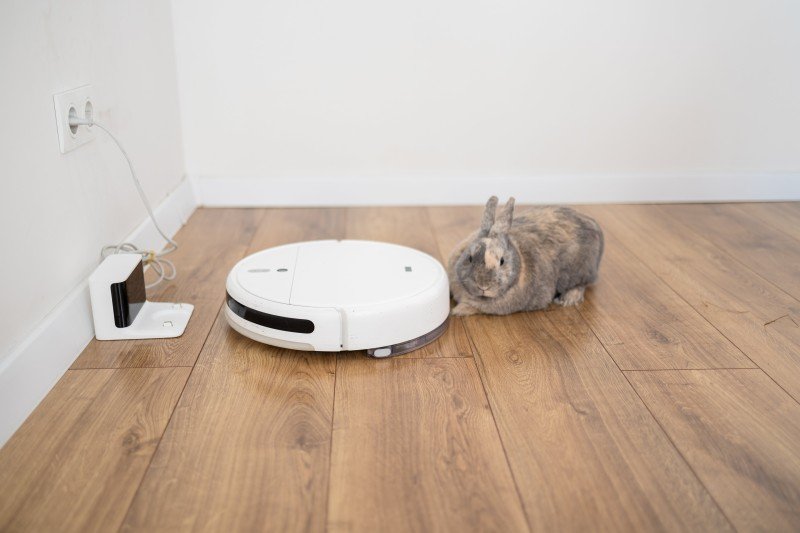
The Rise of Automatic Vacuum Cleaners: A Comprehensive Guide
In today's hectic world, maintaining a clean home can often feel like a burden. As such, automatic vacuum cleaners-- typically described as robotic vacuums-- have surged in popularity, using a useful service for hectic families. Felice Vanterpool explores the key features, advantages, types, and maintenance of automatic vacuum cleaners, making it possible for consumers to make informed choices.
Understanding Automatic Vacuum Cleaners
Automatic vacuum cleaners are autonomous devices created to clean floors with very little human intervention. Geared up with advanced sensing units and programs, these gadgets can navigate around furnishings, adjust to various floor types, and even charge themselves.
Key Features of Automatic Vacuum Cleaners
| Feature | Description |
|---|---|
| Navigation System | Uses sensing units and mapping innovation to avoid challenges and efficiently cover floor space. |
| Cleaning Modes | Different modes such as auto, area, edge, and arranged cleaning for various needs. |
| Smart Connectivity | Numerous models can connect to Wi-Fi, permitting control through mobile phone apps or voice-activated devices like Alexa or Google Assistant. |
| Self-Charging | Instantly returns to its charging dock when the battery is low. |
| Dustbin Capacity | Various models include differing sizes of dustbins, affecting how frequently they need to be emptied. |
Advantages of Automatic Vacuum Cleaners
Automatic vacuum bring a number of advantages to the table:
Convenience
- Hands-Free Cleaning: Keep floors clean with minimal effort. When programmed, the vacuum operates autonomously, releasing up time for other jobs.
- Remote Control: Users can start, stop, or schedule cleansings from their smart devices, making it easier to handle cleaning routines.
Efficiency
- Scheduled Cleaning: Set your vacuum to clean up while you're out, guaranteeing you return to a neat home.
- Adaptive Cleaning: These vacuums typically change their cleaning patterns based upon floor type, enhancing efficiency on tough surface areas and carpets alike.
Cost-Effectiveness
- Lowered Labor Costs: While there is an in advance financial investment, ongoing cost savings occur from less dependence on professional cleaning services.
- Durability: Many automatic vacuums are developed to last, with exchangeable parts that extend their life-span, making them a beneficial long-term investment.
Types of Automatic Vacuum Cleaners
There are several categories of robotic vacuums, each accommodating different needs:
Basic Robotic Vacuums:
- Suitable for general cleaning and available at moderate rate points.
- Minimal in features; typically do not have advanced navigation and wise connection.
Smart Robotic Vacuums:
- Equipped with Wi-Fi connectivity and can be managed by means of mobile apps.
- May include functions like mapping technology for effective cleaning paths.
Hybrid Models:
- Combine vacuuming and mopping functions, perfect for surface areas needing both kinds of cleaning.
- Perfect for families with animals or children.
Specialized Robotic Vacuums:
- Designed for specific tasks, like animal hair elimination, and might use specific brushes and suction abilities.
Upkeep of Automatic Vacuum Cleaners
To ensure optimum performance, regular maintenance is important:
Cleaning Schedules
- Dustbin Emptying: Empty the dustbin after every use or when the vacuum alerts that it is complete.
- Filter Replacement: Depending on the design, filters may require to be cleaned or replaced every couple of months.
Routine Checks
- Brushes and Wheels: Inspect and clean up the brushes and wheels frequently to remove hair and debris that may prevent performance.
- Sensing units and Cameras: Wipe the bump sensors and cameras to guarantee unblocked navigation.
Regularly Asked Questions (FAQs)
1. Just how much do automatic vacuum cleaners cost?
Rates differ extensively-- from budget plan models beginning around ₤ 150 to premium designs costing above ₤ 1,000. Higher-priced alternatives typically provide innovative functions like smart mapping, longer battery life, and specialized cleaning modes.
2. Can automatic vacuum cleaners deal with pet hair?
Yes, the majority of robotic vacuums are developed to handle family pet hair. Search for models specifically designed with strong suction and animal hair filtering systems.
3. The length of time do automatic vacuum cleaners last?
The life-span of a robotic vacuum can vary from 3 to 5 years, depending on the design and upkeep. Regular maintenance can extend its longevity.
4. Are automatic vacuum cleaners effective on carpets?
Many modern automatic vacuum are equipped with sensing units that spot carpeted surfaces and change suction power appropriately. Nevertheless, efficiency can vary based on the type of carpet.
5. Can robotic vacuums deal with multiple floor types?
Yes, many robotic vacuums can effortlessly shift in between floor types, such as wood, laminate, tile, and carpets, optimizing their cleaning technique for each surface.
The introduction of automatic vacuum has changed home cleaning, providing convenience and liberty from the frequently tedious chore of floor maintenance. By understanding the various types, functions, and upkeep requirements, consumers can make educated choices and eventually delight in a cleaner, more arranged living area. Whether you're a busy expert, a family pet owner, or simply someone who appreciates a neat home, buying an automatic vacuum can significantly enhance your lifestyle.